VEHICLE TIRE CHOICE INFLUENCES DRIVING STYLE AND THE SHAPE OF THE EARTH'S SURFACE
Introduction
Tires are a critical component in the vehicle system because they serve as the main interface between the vehicle and the road surface. Choosing the right tires is very important because they affect safety, stability, driving comfort and energy efficiency. In addition, the type of tire used also affects the user's driving style and ground surface conditions, including road wear and environmental impact. Therefore, allow me to explain the types of tires and their suitability for daily use because tires are among the main pulse of the vehicle to move perfectly and provide comfort to the user.
The Importance of Choosing the Right Tire in Daily Use
Selecting the right tire needs to take into account several factors such as vehicle type, road surface conditions, driving patterns and weather factors. Therefore, tires that are chosen correctly can provide optimal grip, reduce the risk of accidents and increase driving efficiency. Therefore, tire selection cannot be done carelessly because it has direct implications for vehicle performance and safety.
- Provide good grip on dry and wet roads
- Increase vehicle stability when cornering and braking
- Reduce fuel consumption through low rolling resistance
- Reduce vibration and noise, thus increasing driving comfort
- Extend the life of tires and vehicle suspension components
In this context, tires are a basic necessity for moving vehicles. Therefore, let's discuss the types of tires available on the market
- Touring or Highway Tire
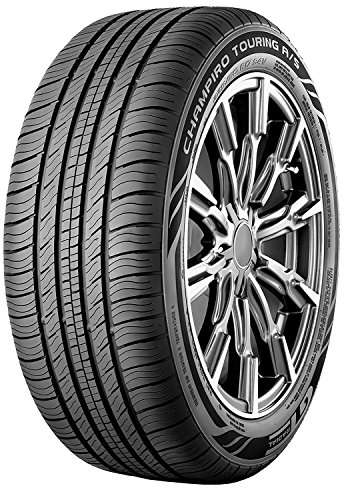
Tread design features: Symmetrical tread design with medium and shallow grooves.
Function: This type of tire is designed to provide a comfortable, quiet and stable ride in daily use. It offers sufficient grip for driving in urban areas and highways.
Suitability for use: Suitable for passenger vehicles such as sedans, hatchbacks and MPVs used on paved roads.
2. Performance Tire

Tread design features: Wider tread with aggressive pattern and softer rubber compound.
Function: Provides high grip when driving at high speeds, especially when cornering and braking.
Suitability for use: Suitable for high-performance vehicles and drivers who practice a sporty driving style. However, the wear rate is faster than regular tires.
3. All Terrain (A/T) Tires

Tread design features: The tire tread is coarser and deeper to adapt to various types of surfaces.
Function: Provides a balance between performance on paved and unpaved roads, as well as increasing tire durability.
Suitability for use: Suitable for sport utility vehicles (SUVs) and vehicles that are frequently used in rural areas or on uneven roads.
4. Off-Road Tires (Mud Field Tires, M/T)
Tread design features: Large tread, wide tread spacing and very aggressive design.
Function: Provides maximum grip on muddy, rocky and unpaved surfaces.
Suitability for use: Suitable for rugged and off-road activities. Not recommended for daily use due to noise and high fuel consumption.
5. Energy-Saving Tires (Eco or Fuel-Efficient Tire)
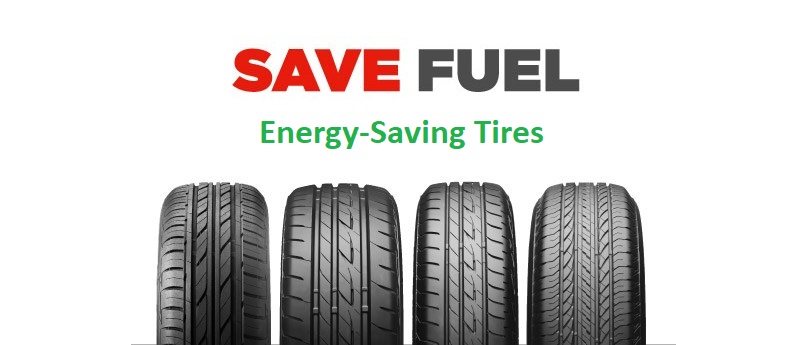
Tread design features: Lightweight design with low rolling resistance.
Function: Reduces fuel consumption and carbon dioxide emissions.
Suitability for use: Suitable for city driving and users who care about energy efficiency and environmental sustainability.
BONUS INFORMATION -
6. Snow Tires (Winter Tires / Snow Tires)

Snow Tire Design Features
Snow tires are specially designed for use in extremely cold weather conditions, especially in areas that experience snow, ice and low temperatures. Unlike regular tires, snow tires use a special rubber compound that remains soft even at temperatures below 7°C.
Key features of snow tire design include:
- Deeper and tighter tread
- Presence of sipes
- More grooves to shed snow and water
- Softer tire rubber for better grip
The main functions of snow tires are:
- Increase grip on snowy and icy roads
- Reduce braking distance in low temperatures
- Improve steering control when cornering
- Reduce the risk of skidding (ice skidding and aquaplaning)
Impact of Incorrect Tire Selection on Users
- Higher Safety Risks due to poor grip increasing the risk of skidding, especially when braking suddenly or in wet road conditions.
- Suboptimal Vehicle Handling. This is because the Vehicle becomes less stable and difficult to control, especially when cornering.
- Tires with high rolling resistance cause the engine to work harder. Therefore, it will increase Fuel Consumption
- Incorrect tire selection will give Uneven Tire Wear. Therefore, it will reduce tire life and increase maintenance costs.
- Inappropriate tires can accelerate road surface wear and increase noise pollution and environmental impact. For example, M/T tires are not suitable for use on road surfaces. It will accelerate tire wear and noise pollution
Conclusion
In conclusion, the selection of vehicle tires is an important aspect that cannot be underestimated in the modern transportation system. Properly selected tires can improve safety, comfort and driving efficiency, while reducing negative impacts on the earth's surface and the environment. Therefore, consumers need to understand the type of tire, the design of the tire tread and its suitability for daily usage patterns before making a purchase decision, so that long-term benefits can be achieved.


Comments
Post a Comment